

breathWORK
Your breath is one of the most powerful tools you already have for regulating your
nervous system, Quieting the noise and becoming more present to yourself, to your body,
and to god.
through Christ-centered breathwork, I create space for women to step out of the
relentless pace of doing and experience what it feels like to simply be.
↓
REgulate youR nervous System
↓
QUIET THE NOISE
↓
BECOME More present to yourself & to god
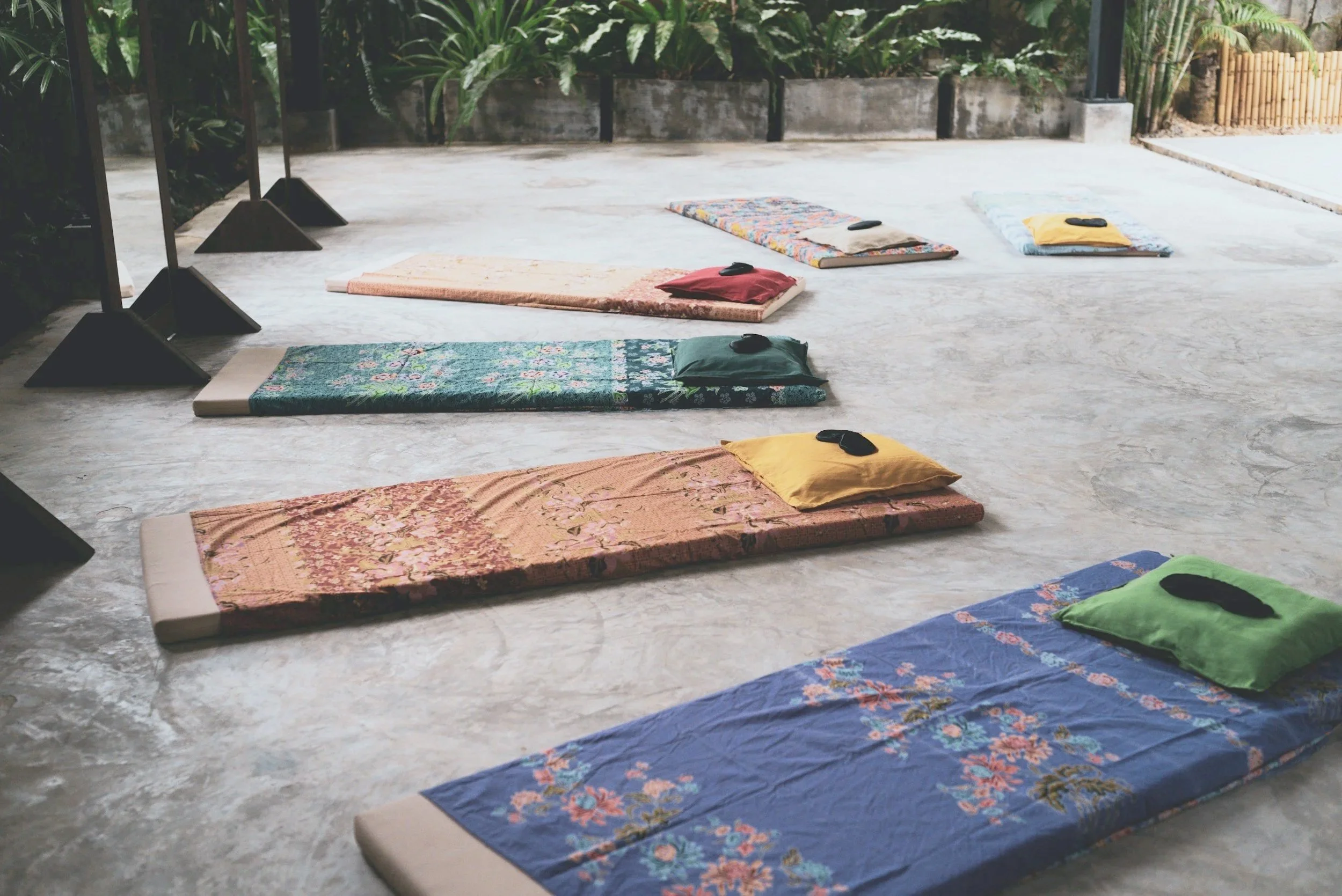

→ Breathwork is the intentional practice of using your breath to influence how you feel—physically, mentally, emotionally, and spiritually.
Some practices are slow and gentle, designed to settle the nervous system and bring you into the present moment. Others use a deeper, more active breathing pattern that can help you move out of your thinking mind and into a more embodied experience.
In my work, I weave together conscious breathing, nervous system awareness, embodiment, reflection, and prayer to create an experience that supports the whole person—body, mind, and spirit.
What is breathwork?


your breath can become a prayer.
→ For me, breathwork isn't about escaping yourself or chasing an extraordinary experience. It's about becoming more present.
Present to your body.
Present to what you're carrying.
Present to the quiet invitation of God.
I approach breathwork through a Christ-centered lens, creating a grounded and sacred space where you can slow down, listen inward, release what you may have been holding, and simply receive.
Sometimes the experience is deeply restful. Sometimes it's emotional. Sometimes it brings clarity. And sometimes the gift is simply an hour when you don't have to accomplish anything at all.
CHRIST-CENTERED BREATHWORK GATHERINGS

Every other month in Denver · merritt wellness
A sacred pause

every other month, women gather in Denver for an evening designed to help us step away from the noise and reconnect with what matters most.
Each gathering centers around a different theme and weaves together guided breathwork, embodied awareness, reflection, prayer, and intentional space to listen—to your body, your heart, and God.
You don't need any previous breathwork experience. Simply come as you are.
Why work with the breath?
We spend so much of our lives trying to think our way into feeling better.
Breathwork gives us another way in—THrough the body.
Depending on the type of practice, conscious breathing may help you:
settle and regulate your nervous system
reduce feelings of stress and overwhelm
become more aware of what you're feeling
reconnect with your body
quiet mental chatter and create greater clarity
cultivate a greater sense of presence
create space for prayer, reflection, and listening
experience deep rest and renewal

My approach
A grounded, christ-centered approach
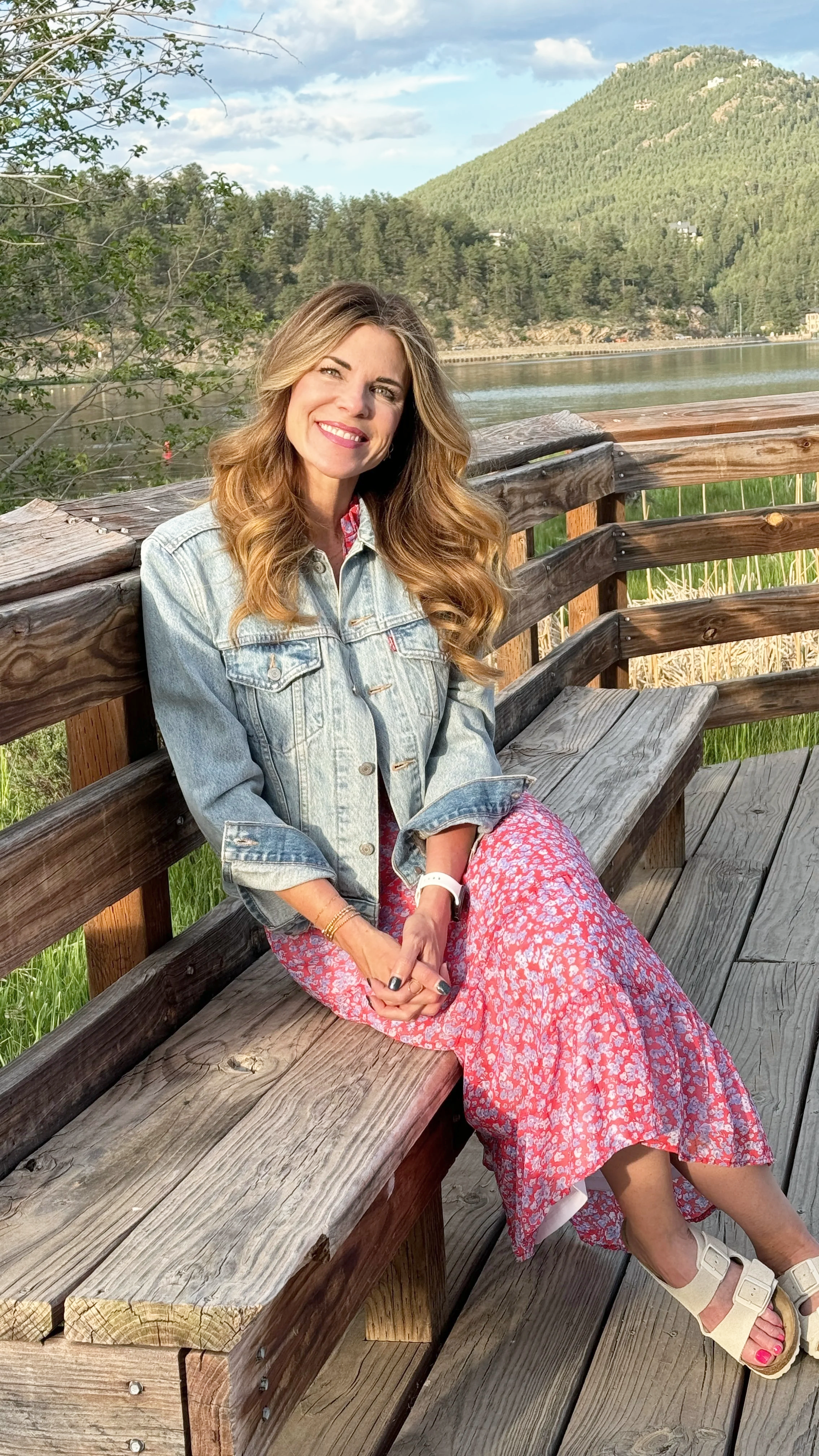
I'm a certified Breathwork Facilitator and have spent years exploring the intersection of conscious breathing, embodiment, nervous system regulation, and spiritual formation.
My approach is gentle, grounded, and Christ-centered. I don't believe breathwork itself is the source of healing or transformation. Rather, I see the breath as one of the remarkable ways God designed our bodies to help us slow down, become present, and pay attention.
two types of breathwork
Integrative breathwork
Integrative breathwork is a gentle and accessible form of conscious breathing that can be woven into the rhythm of everyday life. These practices are designed to help settle and regulate the nervous system, quiet the noise, and bring you back to the present moment. Unlike more active forms of breathwork, the intention isn't to enter an altered state, but simply to become more grounded, aware, and connected—to your body, yourself, and God.
meditative breathwork
Meditative breathwork uses a deeper, more active and repetitive breathing pattern to create an immersive, embodied experience. As the rhythm of the breath deepens, we begin to shift our attention away from the constant activity of the thinking mind and toward what we are experiencing in the body and in the present moment.
This practice can create space for emotional awareness and release, greater clarity, and a deeper sense of connection—to yourself, your body, and the presence of the Holy Spirit. Rather than trying to think your way through what you're carrying, breathwork invites you to slow down, listen inward, and simply notice what arises.
Every breathwork experience is personal. What you experience may be different from someone else—and may even be different each time you practice. Because this more active style of breathwork can create significant physiological and emotional effects, it is best practiced with a trained, certified facilitator and may not be appropriate for everyone.
TESTIMONIALS


SOMETIMES THE FIRST STEP TOWARD A DIFFERENT WAY OF LIVING IS SIMPLY TAKING A BREATH.
Come experience a sacred pause from the pace and pressure of everyday life.
a few things you may be wondering
-
Common contraindications to more deep, conscious breathing and meditative breathwork include (but are not limited to):
Pregnancy (some integrative breathwork is safe)
Cardiovascular issues
Angina
Heart attack
High blood pressure
Recent surgery or injury
Glaucoma or retinal detachment
Osteoporosis
Severe mental illness or psychosis
History of aneurysms, epilepsy or seizures
Frequent dizziness or vertigo
I’d encourage you to please consult your physician before engaging in breathwork of any kind, if you have concerns or are unsure whether or not breathwork is safe for you to practice.
-
During a session, you may notice:
Light-headedness or dizziness. Changes in your breathing pattern can temporarily alter the balance of oxygen and carbon dioxide in your blood, which may cause you to feel light-headed or different from your normal resting state.
Changes in body temperature. You may feel warm, cool, or notice other shifts in physical sensation as your breathing pattern changes.
Tingling or tightness. Tingling around the mouth or in the hands and feet is common during more active breathing. Some people also experience temporary muscle tightening or cramping, sometimes referred to as tetany. If this occurs, you'll be guided in adjusting your breath so the sensation can ease.
Emotional responses. You may find yourself feeling unexpectedly emotional, peaceful, joyful, tearful, or deeply moved. Rather than trying to make anything happen, I encourage you to simply notice what arises with curiosity and compassion.
Images, memories, colors or other inner experiences. Some participants report vivid memories, imagery, colors, or insights during a session, while others don't experience these things at all.
A greater sense of presence and connection. Many people leave feeling more aware of their bodies, more grounded and clear, and more connected to themselves and to God.
Your experience doesn't need to be dramatic to be meaningful. Breathwork isn't about achieving a particular state or forcing a release. It's an invitation to become present, listen to your body, and make space for whatever God may be inviting you to notice.